The faceless content guide
How to plan, frame, light and check faceless content so your face, your marks and your rooms stay out of every post.
Veil Talent team · Updated · 11 min read
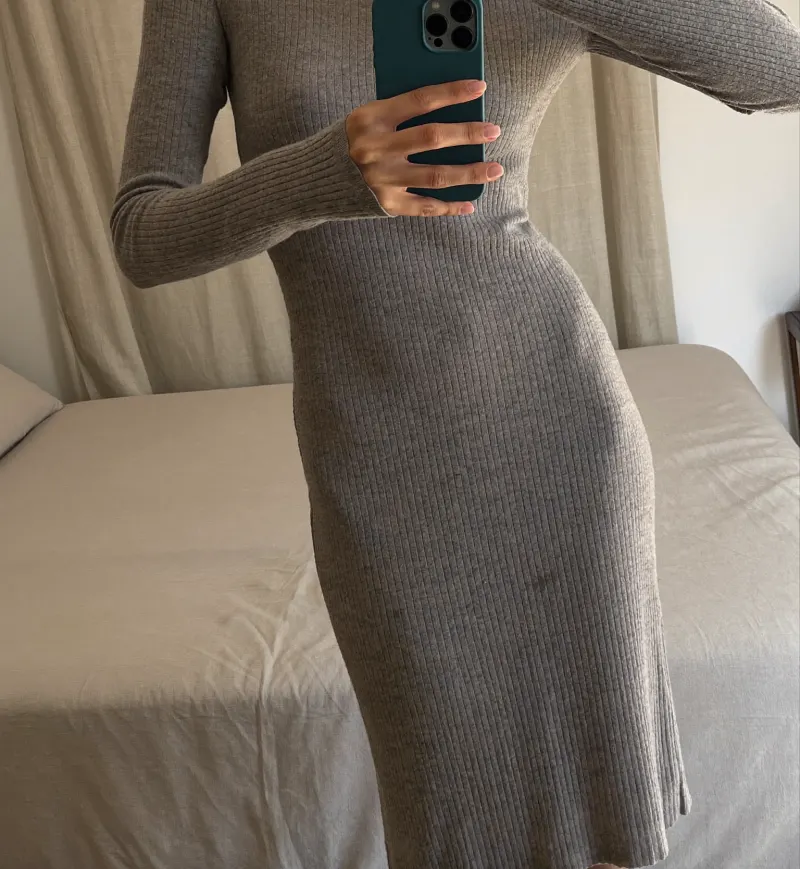
Faceless content is not content with the face cut off. It is planned from the start so a face is never needed, which makes it faster to film and much harder to get wrong. This guide is how we brief the creators we manage.
Start with what can identify you
A face is the obvious one. Most creators who are recognised are recognised by something else. Before you plan a single shot, list what someone who knows you would spot:
- Body marks: tattoos, birthmarks, scars, moles in a familiar place.
- Things you wear every day: a ring, a watch, a necklace, your nails, your glasses, your usual hairstyle.
- Your rooms: the view from a window, the art on a wall, a rug, a distinctive lamp, the shape of a doorway.
- Things with words: mail, packaging with your address, a uniform, a lanyard, a laptop sticker, a book spine.
- Your voice and words: an accent, a phrase you always use, the name of a local place.
Keep that list. It is your personal version of the face check.
Framing that never needs a face
- Neck down. Frame from the collarbone. The top of the frame is your safety margin, so leave room rather than cutting close to the chin.
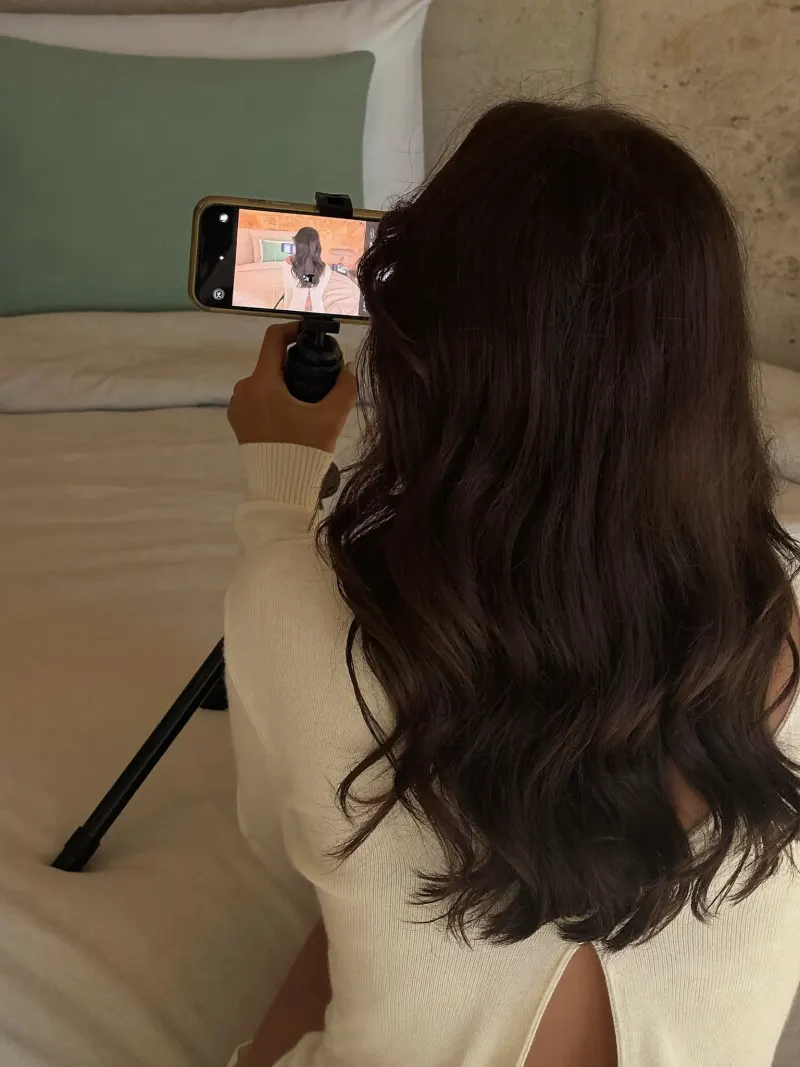
- Behind and over the shoulder. The camera looks where you look. Check what is in front of you, because that is now in the shot.
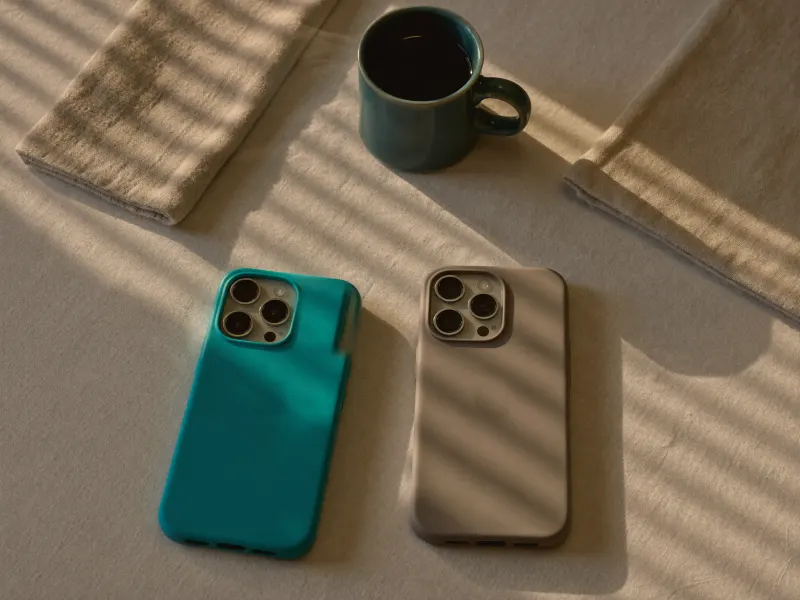
- Close details. Hands, fabric, a cup, a phone. Close shots also hide the room.
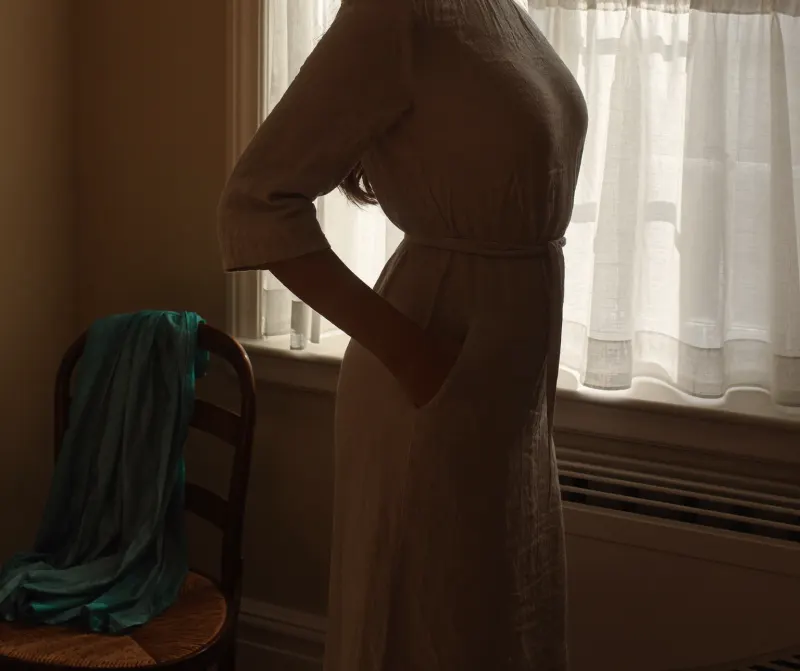
- Silhouette. A bright window behind you turns you into a shape. Face away from the camera rather than side-on, since profiles can be recognised.
- Mirror with the phone over the face. Hold the phone flat and centred so it covers your whole face, and keep the room behind you plain.
Light, set and wardrobe
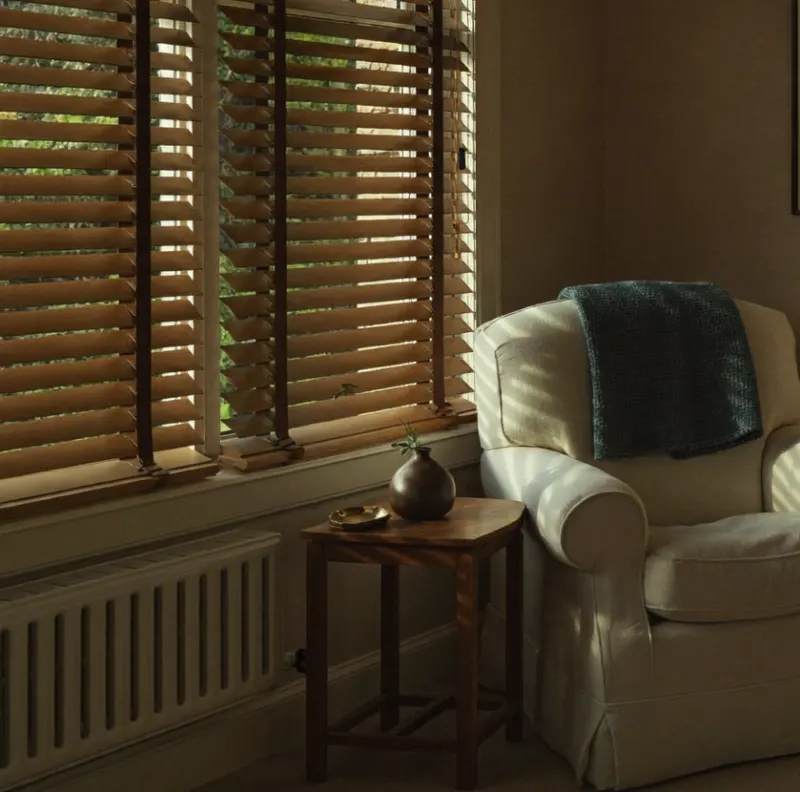
Soft daylight from a window does most of the work, and it is consistent across a week of filming. Pick one corner of one room for content, clear it of anything personal, and use it every time. A small set of outfits worn only for content means nobody sees you in the same clothes at the supermarket.
Reflections: the most common mistake
Faces turn up where you did not point the camera. Check every one of these before you post:
- Mirrors in the background, including small ones on a dressing table.
- Windows, especially at night, when they work like mirrors.
- Dark screens: a television, a laptop, the phone you are filming.
- Glasses, sunglasses, a shiny kettle, a glass door.
A shot list for one filming session
- Three outfit reveals, neck down, one turn each.
- Two over-the-shoulder clips at the window or the mirror.
- Three close hand clips: coffee, phone, getting ready.
- One back-to-camera walk, for a text-on-screen story.
- Ten seconds of the empty set, for voice notes later.
That is about a week of posts from one sitting. The hook formats guide explains how each one is used.
The check before anything goes up
- Watch the clip at full size, frame by frame where it moves fast.
- Go through your personal list: marks, jewellery, rooms, words, voice.
- Strip location and device data from the file. See the EXIF guide.
- Post from the promotion account's own device.
For the creators we manage, an editor runs this check on every file before it is posted, and nothing goes up without it.